
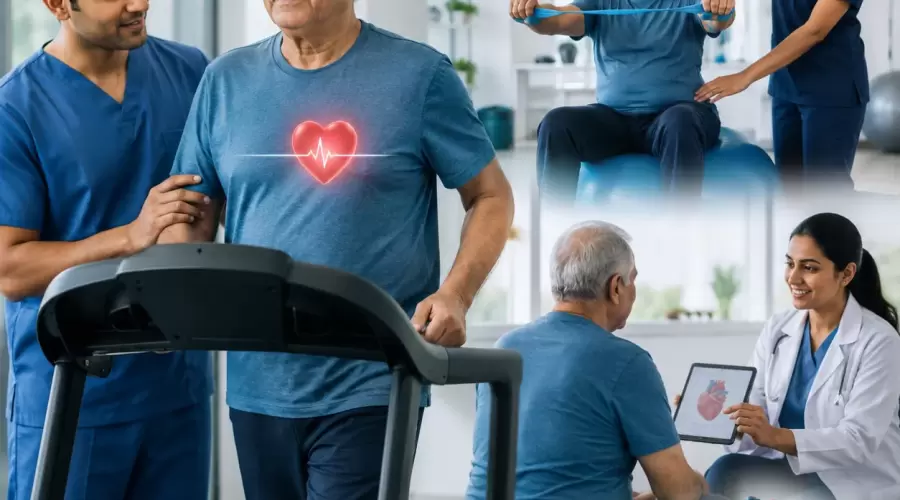
Cardiac Rehabilitation Helps You Recover Faster After Heart Surgery
Undergoing heart surgery, whether it is a coronary artery bypass, heart valve repair, or angioplasty, is a major life event. While the surgeon’s work in the operating room fixes the structural issue, the real journey to regaining your strength, mobility, and confidence begins the moment you step out of the hospital.
If you are in your 20s, 30s, or beyond, you might wonder how quickly you can safely return to work, exercise, and daily routines. The most effective, evidence-based way to accelerate your recovery is through cardiac rehabilitation.
At Sai Physiotherapy & Pain Management Clinic, we help individuals transition smoothly from surgery to active, healthy living through personalized post-heart surgery care. Here is everything you need to know about how cardiac rehab can help you heal faster and safer.
What Exactly Is Cardiac Rehabilitation?
Cardiac rehabilitation is a medically supervised, customized program designed to improve your cardiovascular health after a heart event or surgical procedure. Rather than relying on simple rest, cardiac rehab combines tailored exercise training, risk factor management, lifestyle education, and emotional support.
It is not a one-size-fits-all workout. A complete cardiac rehab plan is individually tailored to your current fitness level, medical history, and personal recovery goals.
5 Ways Cardiac Rehab Accelerates Your Post-Surgery Recovery
1. Safely Restores Physical Strength and Endurance
After heart surgery, your body naturally feels weakened. Resting too much, however, can lead to muscle loss and joint stiffness. Supervised heart rehab exercises such as light treadmill walking, low-resistance cycling, and gentle mobility drills gradually build stamina without overexerting your heart.
2. Reduces the Risk of Post-Operative Complications
Early physical therapy after heart surgery reduces the risk of joint tightness, blood clots, and pulmonary complications. Monitored movement enhances blood flow, improves lung expansion, and speeds up incision healing.
3. Helps Rebuild Confidence and Reduce Anxiety
It is completely normal to feel nervous about moving your body or raising your heart rate after cardiac surgery. Exercising under the expert supervision of physical therapists helps overcome that fear, giving you the reassurance that your heart is strong enough for daily activities.
4. Manages Surgical Pain and Posture
Chest incisions and sternal healing often lead to upper back tightness, neck discomfort, and rounded shoulders. Targeted physical therapy after heart surgery addresses posture, relieves musculoskeletal pain, and keeps your upper body moving comfortably.
5. Prevents Future Cardiovascular Events
Participating in a structured cardiac rehabilitation program has been shown to lower the risk of future heart problems and reduce hospital readmissions. You do not just recover faster today you safeguard your heart for tomorrow.
The Three Core Pillars of a Cardiac Rehab Program
A comprehensive post-heart surgery rehab routine covers three main pillars:
- Guided Physical Activity: Gradual aerobic conditioning and low-impact strength training monitored through heart rate and blood pressure checks.
- Lifestyle and Wellness Education: Guidance on nutrition, stress management, smoking cessation, and blood pressure monitoring.
- Emotional and Mental Support: Managing the anxiety or mood changes that frequently follow major heart procedures.
Why Choose Sai Physiotherapy & Pain Management Clinic?
Recovering from heart surgery requires precise, compassionate, and expert care. At Sai Physiotherapy & Pain Management Clinic, our skilled physical therapy team designs tailored cardiac recovery plans that prioritize your safety and comfort.
Whether you need assistance with early post-operative mobility, pain relief, or a structured exercise regimen, Sai Physiotherapy & Pain Management Clinic is dedicated to guiding you every step of the way toward a full, energetic recovery.
FAQs About Cardiac Rehabilitation
How soon after heart surgery should I start cardiac rehab?
Phase I cardiac rehab typically starts in the hospital within a few days of surgery with light bed exercises and short walks. Supervised outpatient cardiac rehabilitation usually begins 2 to 6 weeks after discharge, once cleared by your surgeon.
Can younger adults (20s and 30s) benefit from cardiac rehab?
Yes, absolutely! Younger patients recovering from congenital heart surgery, valve repairs, or acute cardiac events benefit significantly from cardiac rehab. It helps them return to active careers, gym workouts, and sports safely.
Is cardiac rehab safe if I still have chest discomfort?
Outpatient cardiac rehab is conducted under strict monitoring. Therapists track your heart rate, blood pressure, and physical tolerance to ensure every exercise remains completely safe for your stage of healing.
How long does an outpatient cardiac rehabilitation program last?
Most outpatient programs run for 6 to 12 weeks, with sessions held 2 to 3 times per week, depending on your individual health needs and progress.
-
How Cardiac Rehabilitation Helps You Recover Faster After Heart Surgery
Undergoing heart surgery, whether it is a coronary artery bypass, heart valve repair, or angioplasty, is a major life event. While the surgeon’s work in the operating room fixes the structural issue, the real journey to regaining your strength, mobility, and confidence begins the moment you step out of the hospital.
Jul 22, 2026 -
Top 10 Benefits of Home Physiotherapy for Faster Recovery
Life moves fast when you are balancing a career, fitness goals, and a personal life. Whether you are dealing with a desk-job backache, recovering from an intense gym session, or healing post-surgery, dealing with pain can throw your entire routine off track.
Jul 22, 2026 -
Best Neurological Physiotherapy Treatment in Dwarka
Navigating health challenges, whether it is recovering from a sudden medical event or managing a chronic neurological condition, can feel overwhelming. When the nervous system is affected, simple daily movements like walking, holding a cup, or maintaining balance can become daily struggles.
Jul 21, 2026